Quick checks before you begin
- Photograph clean and dirty positions
- Check pad condition and wetting
- Inspect tank, strainers and nozzle pattern
- Record humidity, field conditions and cleaner mixture
Map the clean-to-dirty transition
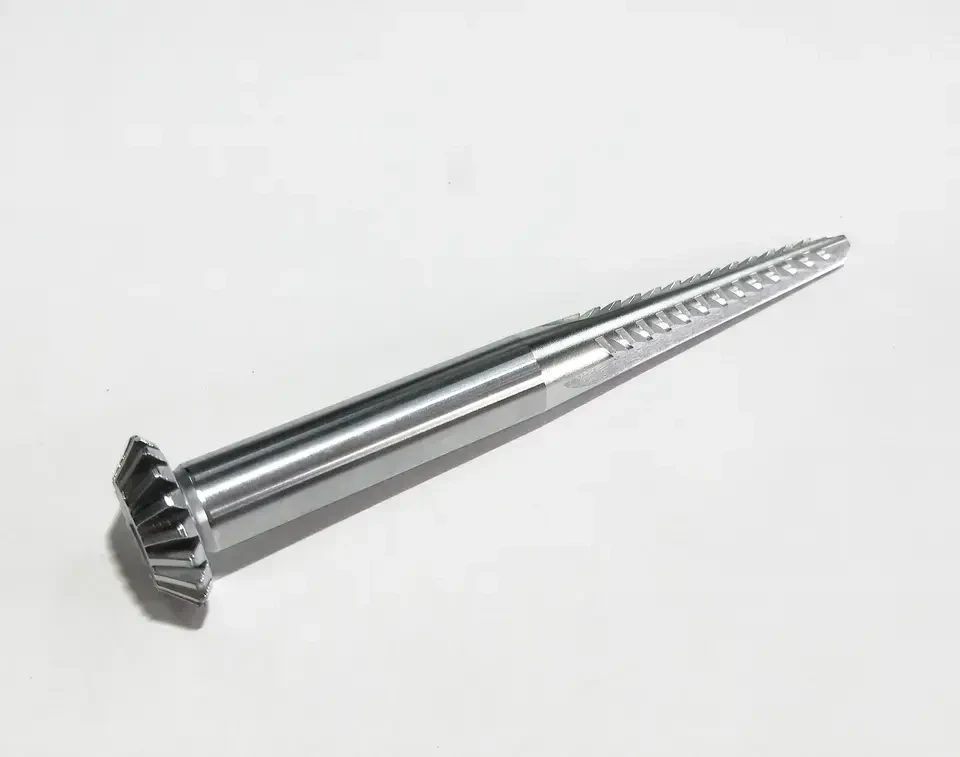
Photograph the complete vertical spindle group and mark where deposits become heavier. Repeat the same photo on a normal row. The transition height can help the technician decide whether to investigate crop exposure, pad contact or fluid delivery first.
Lower spindles often see more crop material and can wear faster, so deposit and wear observations should be recorded together.
Inspect the moistening path from tank to pad
- Verify the tank contains the approved mixture for the current conditions.
- Inspect strainers and filters for restriction under the machine procedure.
- Observe nozzle spray pattern safely and compare rows.
- Check whether pads are evenly wet, correctly positioned and physically intact.
- Record any row-to-row difference before cleaning or replacing parts.
Separate delivery, contact and field-condition evidence
| Pattern | Possible inspection direction | Confirmation needed |
|---|---|---|
| One row | Restriction, nozzle, hose or pad condition | Flow and spray comparison |
| Same height on all rows | Pad relationship or crop exposure | Position map and manual check |
| Worse in humid periods | Operating conditions and cleaner practice | Time and humidity record |
| With abnormal wear | Spindle, pad and row-unit relationship | Wear photos and technical inspection |
Verify the result after one controlled change
After the qualified technician makes a model-approved correction, inspect the same mapped positions after a controlled operating interval. Avoid changing cleaner concentration, pads and mechanical position at the same time because the successful correction will be impossible to identify.
Technical basis for this article
The article paraphrases and organizes the sources below. It does not copy a service manual, and it does not replace the current documentation for the exact machine.
- Preseason Procedures for Spindle-Type Cotton HarvestersCotton Incorporated | technical guideOpen source
- In-Season Procedures for Spindle-Type Cotton HarvestersCotton Incorporated | technical guideOpen source
Questions buyers and technicians ask
Are dirty lower spindles always caused by dry pads?
No. Pad wetting is one check. Wear, spray delivery, restrictions, crop conditions and row-unit relationships can produce a similar pattern.
Can more cleaner solve the problem?
Not safely as a general rule. Use the cleaner and concentration approved by the machine and product instructions, then verify delivery and pad condition.
Why compare with another row?
A normal row provides a useful control under the same crop and weather conditions and helps isolate a row-specific problem.