Quick checks before you begin
- Map the affected spindle positions
- Inspect lug edges and flexibility
- Compare wear through the full column
- Look for heat, noise and contact marks
Confirm the doffing pattern
Record whether cotton remains on all spindles, a vertical band, one picker bar or one row. This pattern is more diagnostic than a general statement that the machine is not doffing.
Stop and inspect if the condition is accompanied by unusual noise, heat or visible contact.
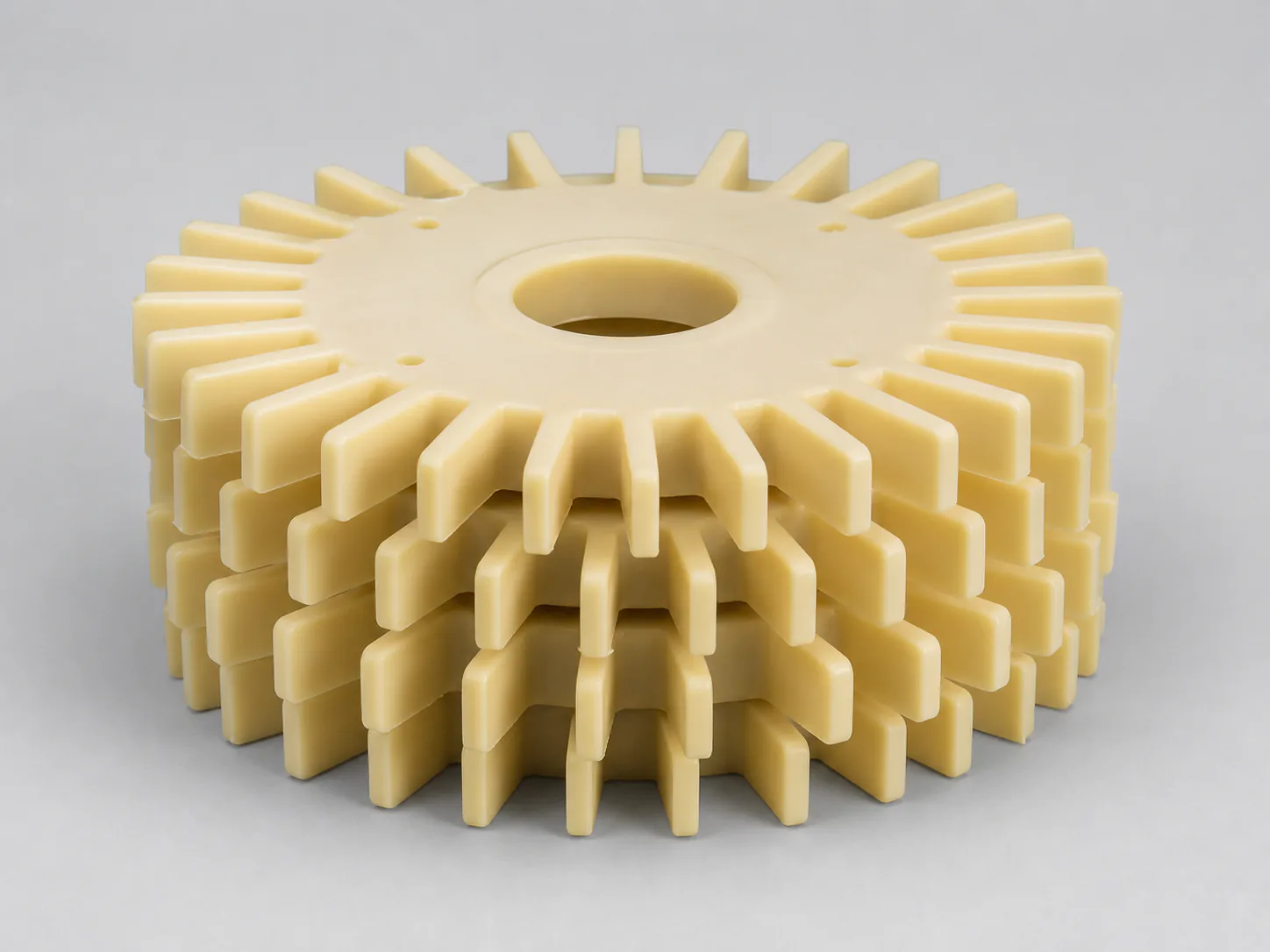
Inspect doffer lug condition before position
- Rounded lug edges that no longer present a useful wiping surface
- Broken or torn lugs
- Hard, inflexible or permanently deformed material
- Uneven wear from top to bottom or from one side of the column to the other
- Contamination that prevents the lug from working consistently
Technical harvester guidance recommends identifying why doffing is poor before lowering the doffer column. Unnecessary adjustment can increase contact and wear.
Compare doffer, spindle and moistener evidence
| Finding | Related check | Escalate when |
|---|---|---|
| Uniform rounded lugs | Column service life and replacement plan | Doffing remains poor across the column |
| One-height damage | Bar height, alignment and contact evidence | Marks repeat at the same level |
| Doffers appear usable | Spindle deposits, damage and moistening | Cotton remains on several rows |
| Noise or heat | Mechanical contact and drive condition | Stop and follow service procedure |
Document the approved correction
Record the condition before work, the exact parts replaced or manual procedure used, and the result at the same row and spindle positions. This produces evidence for the next service decision and for future parts planning.
Technical basis for this article
The article paraphrases and organizes the sources below. It does not copy a service manual, and it does not replace the current documentation for the exact machine.
- Preseason Procedures for Spindle-Type Cotton HarvestersCotton Incorporated | technical guideOpen source
- Spindle Picker Harvesting technical guideOklahoma State University Extension document library | extension publicationOpen source
Questions buyers and technicians ask
Does poor doffing always require new doffers?
No. Lug condition is central, but spindle deposits, wear, alignment, moistening and row-unit condition can also affect the result.
Can I lower the doffer until it works?
That is not a safe general method. Diagnose the condition and use the current model-specific procedure and values.
What do worn doffer lugs look like?
Useful evidence includes rounded edges, tears, missing sections, hardening, permanent deformation and uneven wear through the column.