Quick checks before you begin
- Lock out and isolate the machine before inspection
- Map every inspected spindle to row, bar and vertical position
- Compare the lower group with the upper group
- Replace broken or severely damaged spindles promptly under the manual procedure
Inspect the wear pattern, not only the worst spindle
Technical guidance notes that the lower half to two-thirds of spindles often wears faster because that area encounters more crop material. A single damaged spindle matters, but the distribution of wear helps distinguish normal exposure from a row-unit or setup problem.
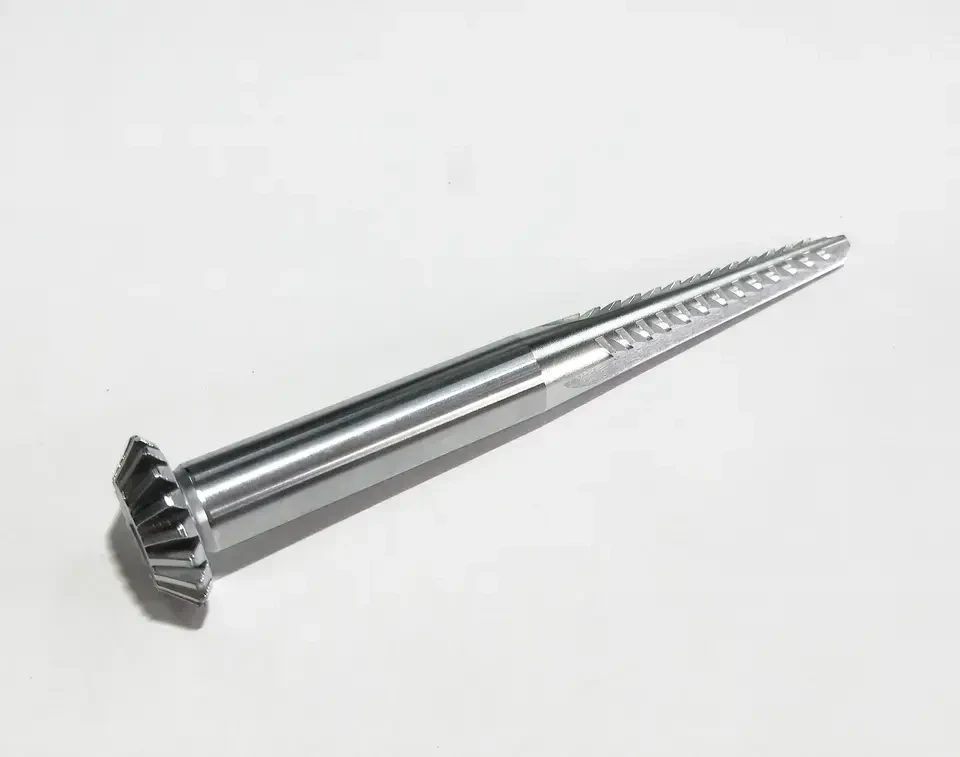
Create a simple map by row, picker bar and vertical position. Photograph representative upper, middle and lower spindles under the same lighting.
What to inspect on each spindle
| Area | Look for | Record |
|---|---|---|
| Barbs | Rounded, packed, chipped or irregular edges | Close photo and position |
| Tip | Bend, breakage or impact damage | Direction and severity |
| Surface | Scoring, discoloration, corrosion or heavy deposits | Whether it repeats by row |
| Shank/end | Movement, thread damage or abnormal contact marks | Associated noise or heat |
| Rotation | Free and consistent motion under the manual check | Any stiff or non-rotating position |
Use repeated damage as a diagnostic clue
- Damage concentrated at one height can indicate a local relationship with doffing, moistening or row-unit geometry.
- Damage repeated on one bar can point to a bar, bushing or alignment issue rather than random spindle wear.
- Heavy deposits across several rows can shift the investigation toward moistening, cleaner use, crop moisture or cleaning practice.
- One bent or broken spindle should be replaced under the machine procedure and the surrounding area checked for contact.
Keep a replacement record that supports the next order
Record the removed quantity by hand and reference number, retain representative samples and note machine hours or harvested area when available. This turns the next purchase from an emergency guess into a planned wear-parts decision.
Do not publish or reuse a replacement threshold unless it is tied to a current model-specific technical source.
Technical basis for this article
The article paraphrases and organizes the sources below. It does not copy a service manual, and it does not replace the current documentation for the exact machine.
- Preseason Procedures for Spindle-Type Cotton HarvestersCotton Incorporated | technical guideOpen source
- Spindle Picker Harvesting technical guideOklahoma State University Extension document library | extension publicationOpen source
Questions buyers and technicians ask
Do lower spindles normally wear faster?
They often do because the lower portion encounters more crop material, but a pronounced or uneven pattern still deserves inspection by row and bar.
Should every spindle be replaced at the same time?
Not automatically. Use the current manual, the measured wear pattern and the service objective to decide whether replacement is isolated, grouped or complete.
Can a photo determine the remaining life?
A photo can document visible condition but cannot by itself establish a model-specific replacement limit or remaining service life.